Large Language Models That Make Document Understanding Faster and Easier
A slow connection can hinder workflow. The same is true for a mountain of documents on your desk.
A slow connection can hinder workflow. The same is true for a mountain of documents on your desk. When you have to review contracts, summarize lengthy reports, or compare data from various formats, the manual process feels like a major bottleneck.
For many in the modern workforce, this scenario is a familiar drain on productivity. The core challenge is no longer just finding a file. It is about actively understanding dense content, connecting disparate pieces of information, and doing it all under constant time pressure. This daily friction drains focus, slows down critical decisions, and increases the risk of overlooking a vital detail buried within pages of text.
Large Language Models (LLMs) are emerging as the definitive solution to this modern workplace pain point. They act not as a simple search tool, but as an intelligent analysis engine.
What Are Large Language Models?
Large Language Models are a sophisticated form of artificial intelligence trained on vast datasets of text and code. They learn language patterns, contextual relationships, and logical reasoning in a way that mimics human understanding.
The fundamental shift from older tools is depth of comprehension. Where a basic PDF reader might allow you to search for the keyword "liability," an LLM understands the concept. It can find related terms like "indemnification clause" or "limitation of damages," summarize the relevant section in plain English, and explain the implications based on the document's context. This moves you from simple word-spotting to genuine insight extraction.
Why This Matters for Daily Work (Beyond the Tech Buzz)
The most significant impact of Large Language Models is not found in their technical complexity. It is found in the practical relief they provide. This is relief from the repetitive strain of scanning page after page, from the tedious burden of manual verification, and from the mental exhaustion of managing too much information at once.
When document understanding becomes this straightforward, it changes how teams operate. The ability to get instant answers means decisions can be made with greater speed and confidence. The automated extraction and comparison of data leads to a measurable reduction in human error. The time and mental energy saved creates space for smoother collaboration and more strategic discussion.
Ultimately, the feeling is one of regained control. Work begins to feel lighter, less encumbered by administrative friction, and more focused on what truly matters.
See also: Lighter Workflows: The IDP Document Checker That Spots Mistakes Before Trouble Starts
Real World Use Cases Teams Actually Care About
The value of a technology is proven in its daily application. For teams burdened by document centric tasks, Large Language Models deliver tangible relief by addressing specific, high friction pain points.
1. Legal and Compliance Teams
Document review defines legal and compliance work, often creating bottlenecks. An Large Language Model (LLMs) serves as an efficient first pass system. The technology can analyze stacks of contracts to flag non standard clauses, such as unusual liability terms. This focus allows professionals to concentrate expert attention on the highest risk sections instead of reviewing every line, accelerating due diligence and improving contract consistency without increasing team fatigue.
2. Operations and Admin Teams
Operations and administrative functions handle process driven documents daily. Large Language Model (LLMs) introduce order and searchability. A manager can query years of archived procedures to locate a specific guideline. Uploading a batch of invoices enables the extraction of key data like dates and amounts directly into a spreadsheet. This application transforms manual, chaotic tasks into streamlined and accurate processes, saving significant time and minimizing administrative error.
3. Product and Research Teams
Synthesizing information from varied sources is critical for product and research decisions. Large Language Model (LLMs) effectively filter background noise. Processing volumes of user feedback can generate a clear report on top requested features. Uploading multiple academic papers allows for a comparative analysis of methodologies and conclusions. This shifts the team effort from processing documents to generating insights, identifying trends, and shaping strategy.
4. Sales Teams
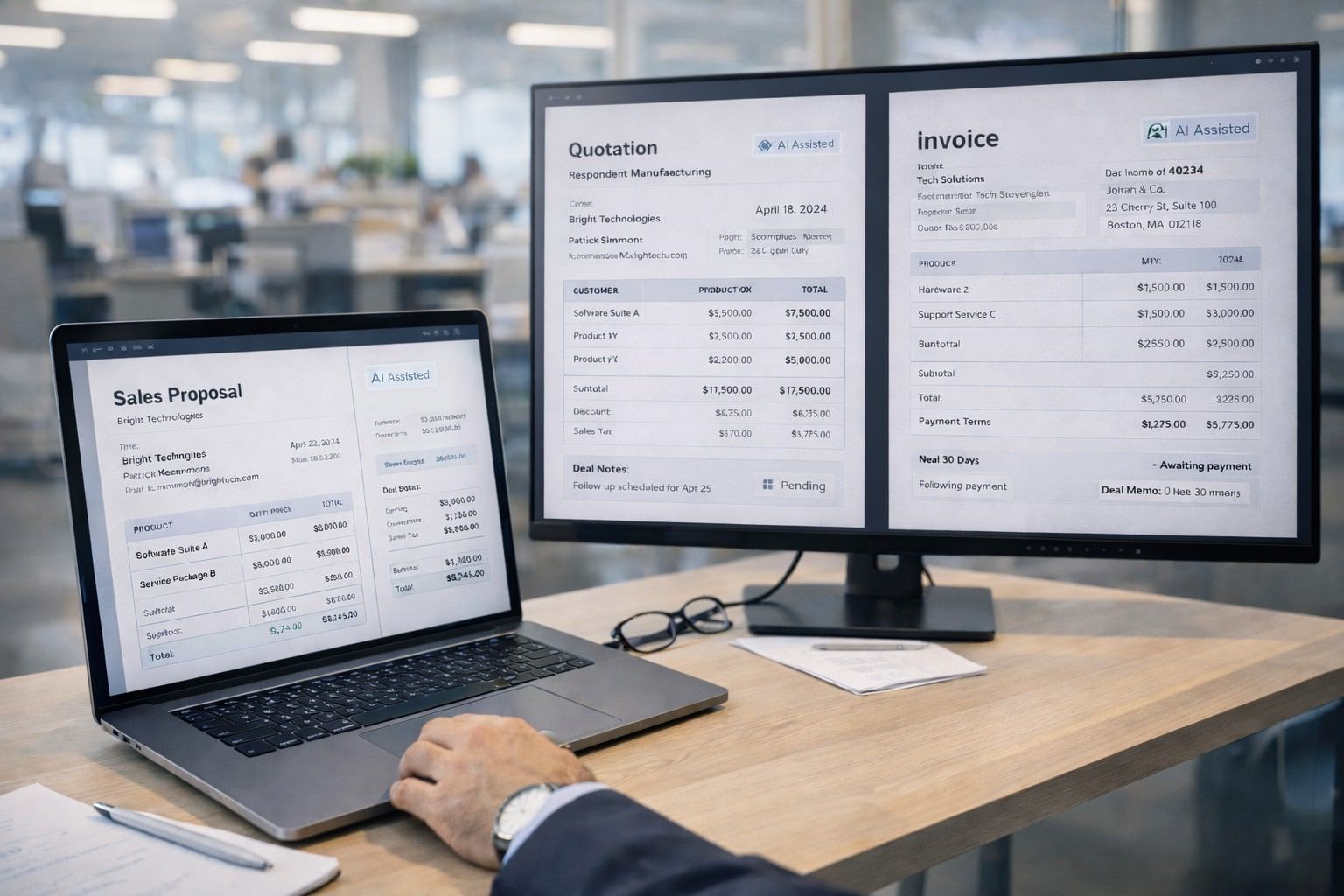
Sales teams handle fast moving documents such as sales notes, quotations, and invoices. Large Language Models help structure this information by extracting key details and converting them into standardized digital formats. Sales data becomes more consistent, easier to access, and ready to reporting and follow up.
A Smarter Way to Work With Everyday Documents
When document understanding becomes easier, daily work starts to feel noticeably lighter. Teams no longer need to jump between files, formats, and tools just to find one critical detail. Information becomes clearer, decisions move faster, and collaboration feels more aligned because everyone is working from the same well-structured context. This is where intelligent document processing shows its real value, not as complex technology, but as quiet support in the background.
With solutions like the AssistX Suite, everyday documents are transformed into accessible and searchable knowledge, helping teams spend less time managing files and more time focusing on work that actually moves the business forward.
Related article: When Document Overload Slows Productivity: How AI Document Processing Simplifies Access